
About Epilepsy
Epilepsy is a neurological disorder characterized by recurring seizures that result in sudden, brief changes in the way the brain works. Seizures are a symptom of epilepsy. When a person has two or more unprovoked seizures, they are usually diagnosed with epilepsy. Epilepsy is a condition that can begin at any age. Despite all available treatments, about 30 percent of people with epilepsy continue to experience uncontrolled seizures.
A seizure is a sudden behavioral change resulting from excessive electrical activity in the brain. Seizures may be provoked by fever, drug or alcohol withdrawal, or low blood sugar. An unprovoked seizure could result from genetic or developmental causes, or from a specific medical event such as head trauma, a tumor, or a stroke. In two-thirds of patients diagnosed with epilepsy, the cause of their seizures is unknown.
Approximately 1 in 26 Americans will develop epilepsy in their lives, and the onset of epilepsy is highest in children and older adults. Worldwide, epilepsy impacts 65 million people.
About Seizure Monitors
A seizure monitor can help notify others when a seizure is happening. An alarm is triggered by abnormal movements and assistance can be provided right away. Seizure monitors can be helpful especially for children who have seizures during the night. While a monitor cannot guarantee safety or be 100% accurate in detecting all seizures, they can provide a level of peace of mind for parents.
Compare Devices
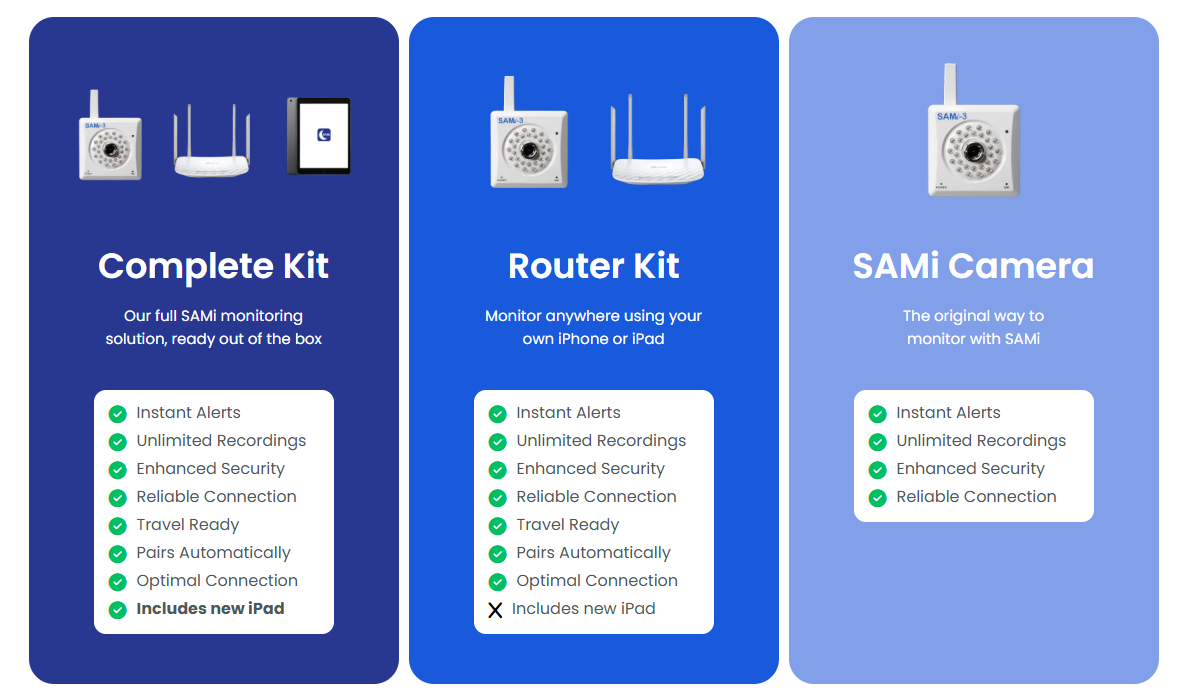
Although we primarily donate SAMi devices, we are aware there are other seizure monitoring devices available on the market. If you or your doctor thinks a different style of monitoring device would work better for you, please reach out and we can talk about device reimbursement!